Scotland's Smoke and Heat Alarm Law: What Homeowners Need
Every home in Scotland must have interlinked smoke and heat alarms, plus a carbon monoxide alarm where there is a carbon-fuelled appliance. Here is what that means room by room, based on the official guidance.
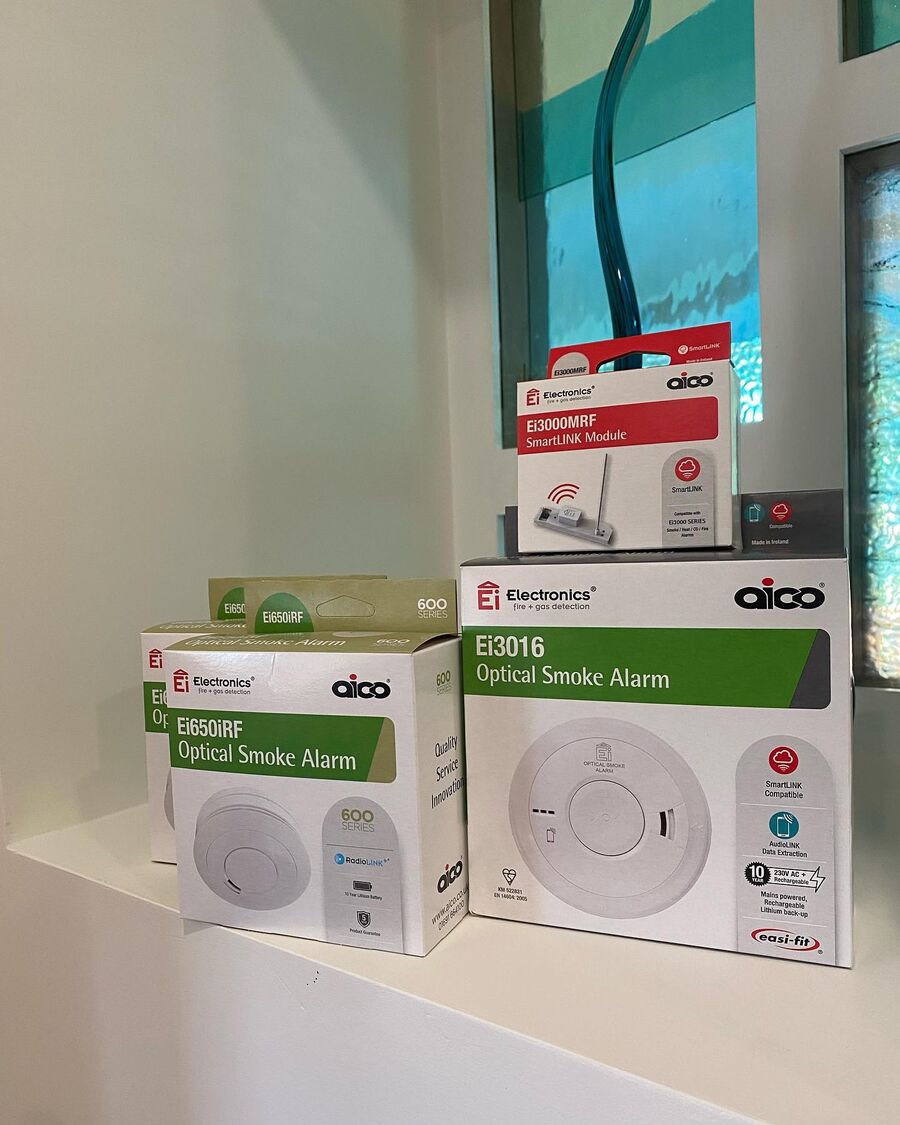
Since 1 February 2022, every home in Scotland, owned or rented, must have interlinked fire alarms: a smoke alarm in the living room (or the room you use most), a smoke alarm in every hallway and landing, and a heat alarm in the kitchen, all on the ceiling and linked so they sound together. If you have a carbon-fuelled appliance such as a boiler or wood burner, you also need a carbon monoxide alarm in that room.
This guide summarises the Scottish Government's guidance. It isn't legal advice, so check the official guidance (linked below) for your own home.
Last reviewed: October 2026.
Room by room: what every home needs
- Living room, or the room you use most: one smoke alarm.
- Every hallway and landing: one smoke alarm on each. Small spaces such as a porch, vestibule or half-landing don't need one. There should be an alarm in the hall or on the landing no more than 3 metres from the main bedroom door.
- Kitchen: one heat alarm. Heat alarms are used here because cooking sets off smoke alarms. If you already have a smoke alarm in the kitchen, it doesn't need replacing until it reaches the end of its life.
- Open-plan areas: one alarm can cover the space if it is no more than 7.5 metres from any point in the room. If the area includes a kitchen, it should be a heat alarm.
- Any room with a boiler, fire, stove, non-electric heater or flue: a carbon monoxide alarm.
- Bedrooms: not required. If you add alarms the standard doesn't require, they don't have to be interlinked.
All smoke and heat alarms should be fixed to the ceiling. Wall mounting is only acceptable where the manufacturer allows it, for example on a sloping ceiling, and then within 30 cm of the ceiling.
What counts as a compliant alarm
There are two types of interlinked alarm that meet the rules:
- Sealed battery alarms: sealed, tamper-proof units with long-life lithium batteries that can last up to 10 years. You can fit these yourself.
- Mains-wired alarms: these must be fitted by a qualified electrician and replaced every 10 years.
Both types link by radio and don't need wifi. Alarms with batteries you can change yourself, such as 9-volt (PP3) battery alarms, don't meet the standard.
Each alarm should meet the standard the guidance lists:
- smoke alarms: BS EN14604:2005
- heat alarms: BS 5446-2:2003
- carbon monoxide alarms: British Kitemark EN 50291-1
The guidance also says the Nest Protect system does not meet the standard, because it doesn't meet the British Standard for a heat alarm.
Carbon monoxide alarms
You need a carbon monoxide (CO) alarm in every room with a carbon-fuelled appliance, such as a boiler, open fire, wood burner or non-electric heater, or with a flue. Gas cookers and hobs don't need one.
The CO alarm does not need to be linked to your smoke and heat alarms. If it runs on batteries, the battery must be sealed for the alarm's whole lifespan. Our page on carbon monoxide alarms covers where to fit one.
Homeowners
If you own your home, meeting the standard is your responsibility.
- Enforcement: this is a minimum standard for safe housing. Councils can use their powers on substandard homes, but the guidance says any action must be proportionate, and it is not a criminal offence if owners cannot meet the standard.
- Selling: compliance forms part of the Home Report when you sell.
- Insurance: if you're unsure how the rules affect your home insurance, the guidance says to speak to your insurer directly.
- New builds: houses built since 2010 should already meet the standard. If yours doesn't, mygov.scot suggests asking your builder or developer first, then your warranty provider.
- Building work: extensions and conversions must meet building regulations, and may need a building warrant.
Landlords and tenants
Private landlords must provide interlinked smoke and heat alarms and, where needed, carbon monoxide alarms. Since 1 February 2022 these rules sit in the Tolerable Standard, which covers every home, and landlords must meet it to comply with the Repairing Standard, at the start of a tenancy and throughout it. If a tenant is deaf or hard of hearing, the landlord must also install specialist alarms.
Private tenants who think their home isn't fire safe can apply to the First-tier Tribunal (Housing and Property Chamber).
Council and housing association tenants: your landlord is responsible. If you're still waiting for alarms, speak to them.
Shared ownership: check your occupancy agreement. Generally the part-owner is responsible, not the housing association.
Flats and tenements
Each flat needs its own interlinked alarms. Alarms in different flats don't need to be linked to each other, and you don't need alarms in communal areas such as entry halls and stairways.
Deaf residents and Telecare
If someone in your home is deaf, or you have a Telecare system, specialist alarms must be fitted in addition to the smoke, heat and carbon monoxide alarms. Don't remove existing Telecare alarms.
Cost and help
The Scottish Government estimates the alarms for an average three-bedroom house cost around £220 if you fit them yourself, with an extra cost if someone fits them for you.
Lower-income older or disabled homeowners may be able to get support from Care and Repair Scotland. The Scottish Fire and Rescue Service offers free home fire safety visits; check its website to see if you can get one.
Official sources
- Fire and smoke alarms: the law (gov.scot)
- Fire safety if you own your home (mygov.scot)
- Tolerable Standard guidance: satisfactory fire and carbon monoxide detection (gov.scot)
- Repairing Standard statutory guidance for private landlords (gov.scot)
- Repairs and fire safety if you rent privately (mygov.scot)
Need alarms fitted?
Bunker fits Aico sealed lithium-battery interlinked alarms across Glasgow and Central Scotland, typically £250–£450 for a three-bedroom home. See interlinked smoke and heat alarm installation for what's included, or call 0141 478 0960.
Frequently Asked Questions
Do I need interlinked smoke alarms in Scotland?
Yes. Since 1 February 2022, every home in Scotland, owned or rented, must have interlinked smoke and heat alarms, so that when one goes off they all go off. The rules are set out in the Scottish Government's guidance, Fire and smoke alarms: the law.
How many smoke alarms do I need in Scotland?
You need one smoke alarm in the living room (or the room you use most), one in every hallway and landing, and a heat alarm in the kitchen. A typical two-storey, three-bedroom house needs three smoke alarms and one heat alarm, plus a carbon monoxide alarm if there's a boiler or other carbon-fuelled appliance.
Do flats need interlinked smoke alarms?
Yes. Each flat needs its own interlinked alarms in the living room, hall and kitchen. They don't need to link to neighbouring flats, and communal closes and stairways don't need alarms.
Who is responsible for smoke alarms in a rented home in Scotland?
The landlord. Private landlords must provide interlinked alarms, because the fire and carbon monoxide alarm rules are part of the Tolerable Standard they must meet under the Repairing Standard. Council and housing association landlords are responsible for their tenants' homes. Private tenants can apply to the First-tier Tribunal (Housing and Property Chamber) if they think their home isn't fire safe.
Can I get free smoke alarms in Scotland?
The Scottish Government says lower-income older or disabled homeowners may be able to get support from Care and Repair Scotland. The Scottish Fire and Rescue Service offers free home fire safety visits, so check its website to see if you can get one. Otherwise, paying for alarms is the homeowner's or landlord's responsibility.
Want your alarms fitted to the Scottish standard?
Get free advice on installing, upgrading or replacing your security system. No obligation, no hard sell - just honest advice from local experts.